“I missed the bees, so I built a few hives…”
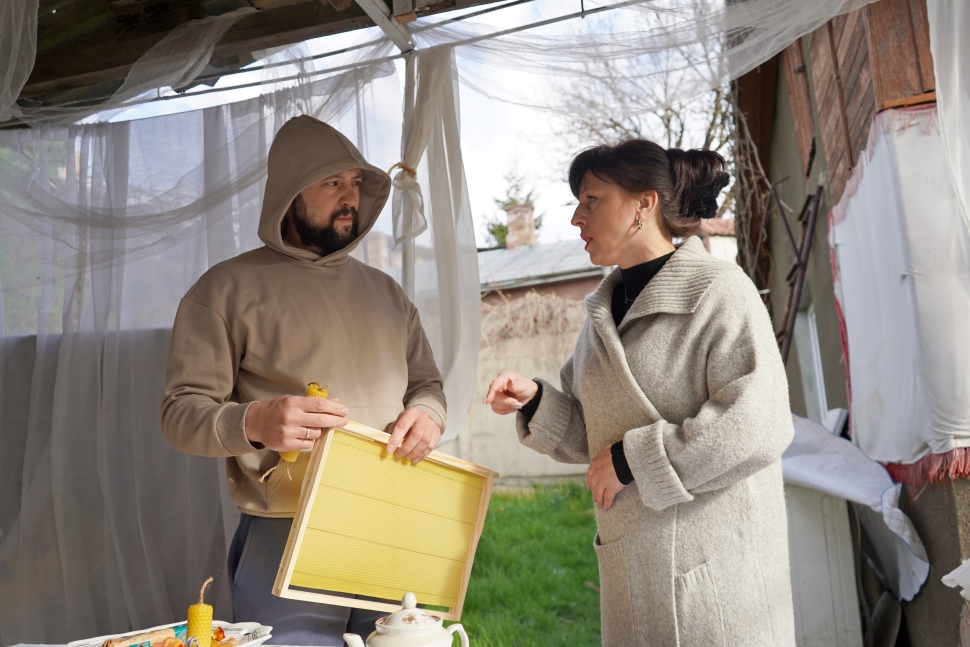
Participants in the “Family to Family” project—on how a hobby became a life’s work and how grant support helped the family restart the process in a new location
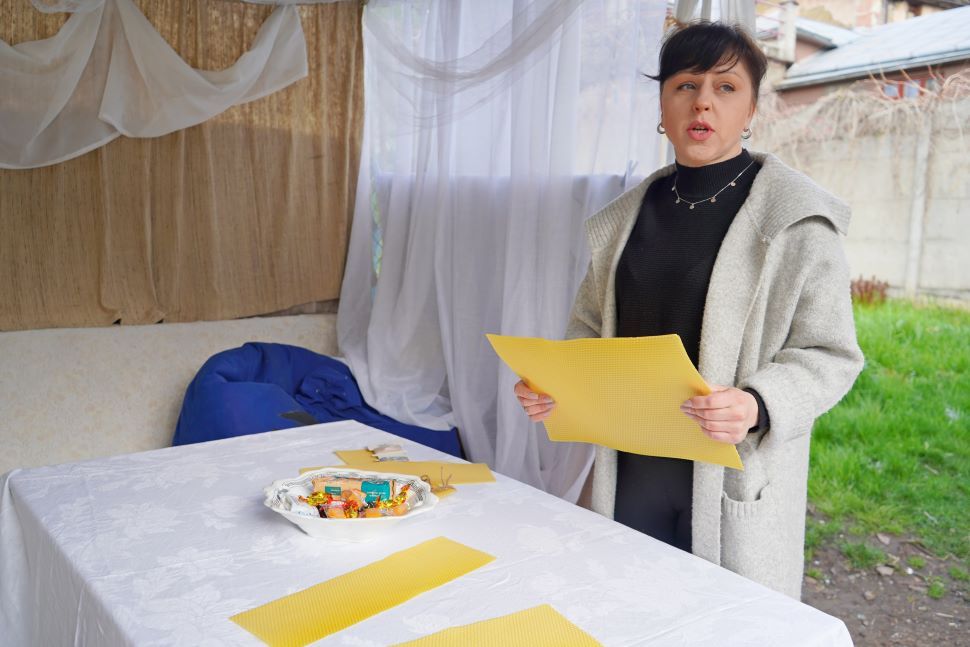
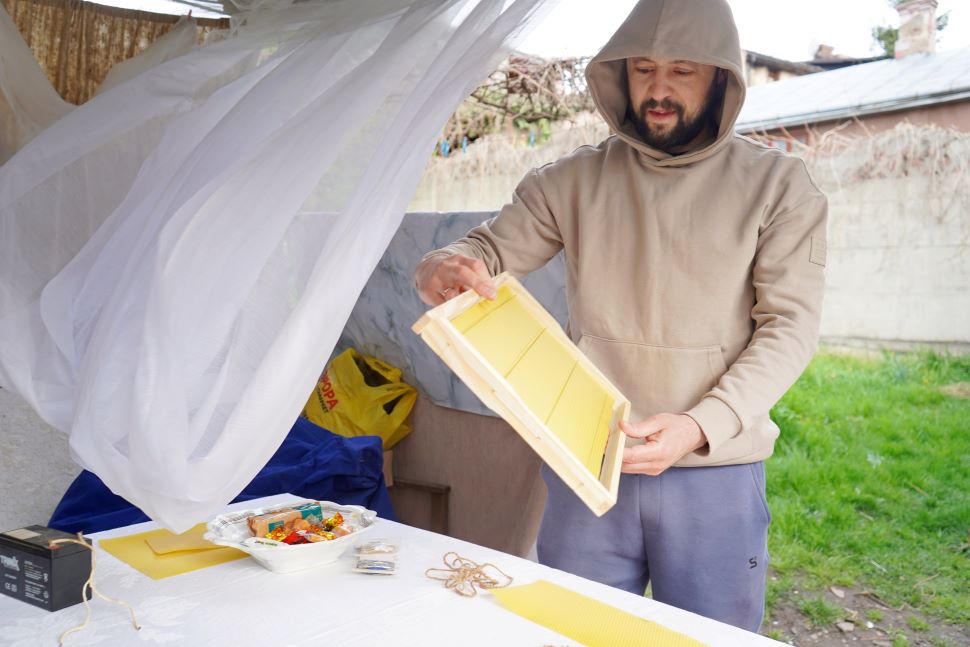
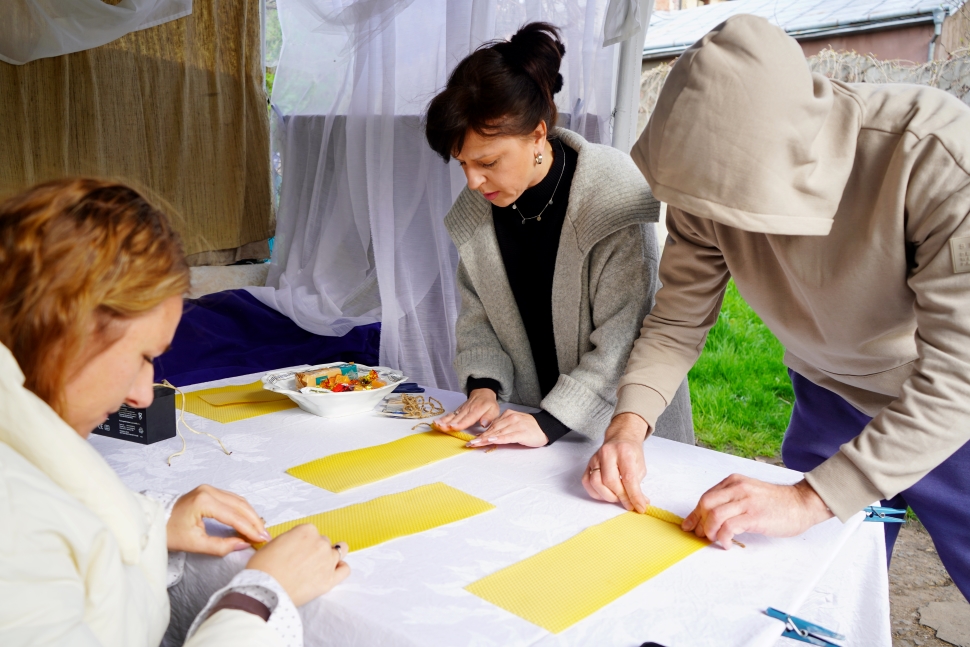
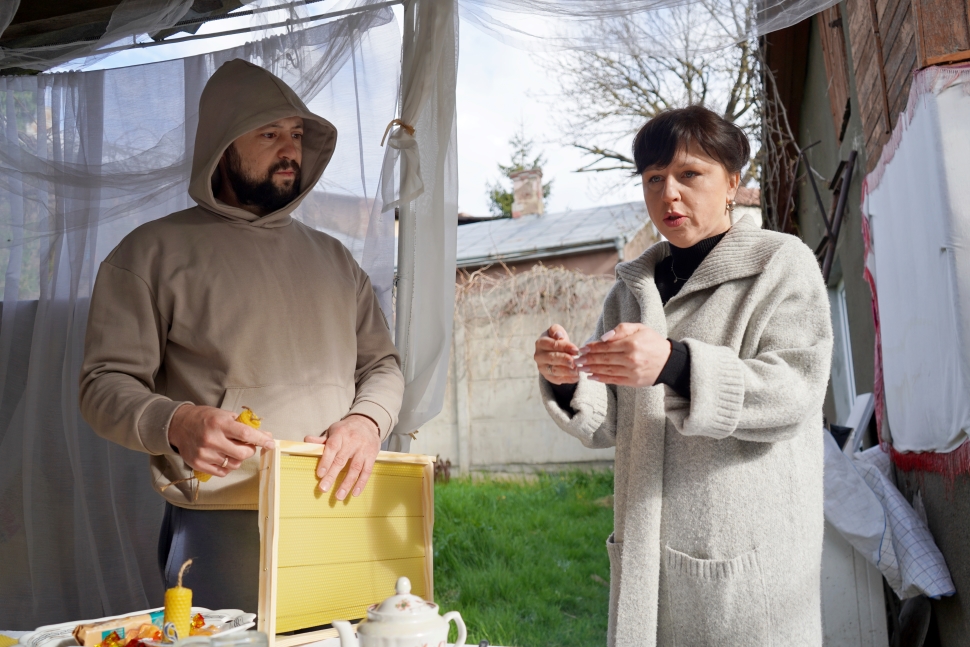
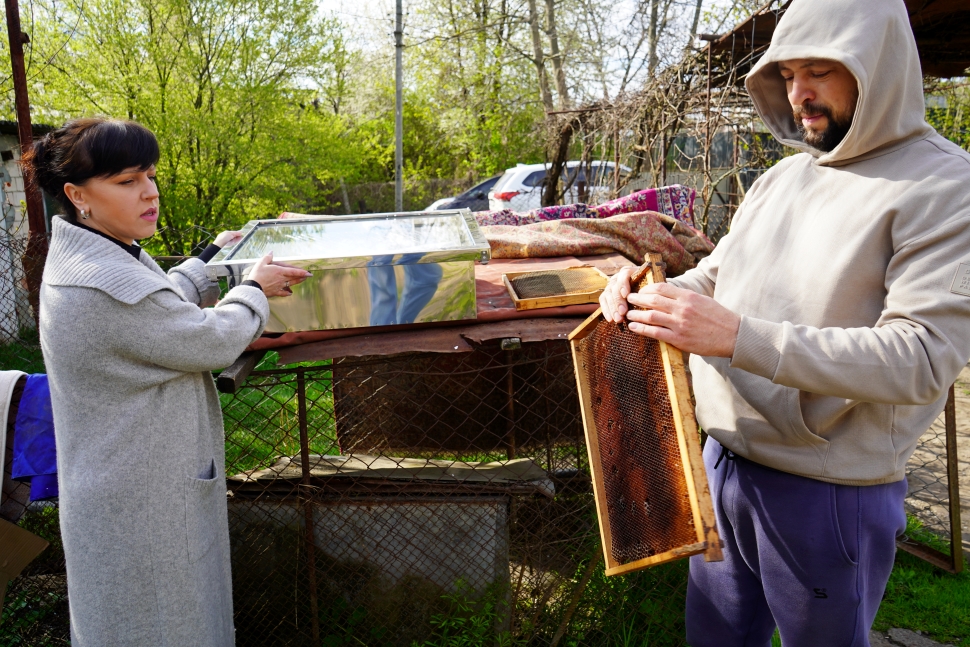
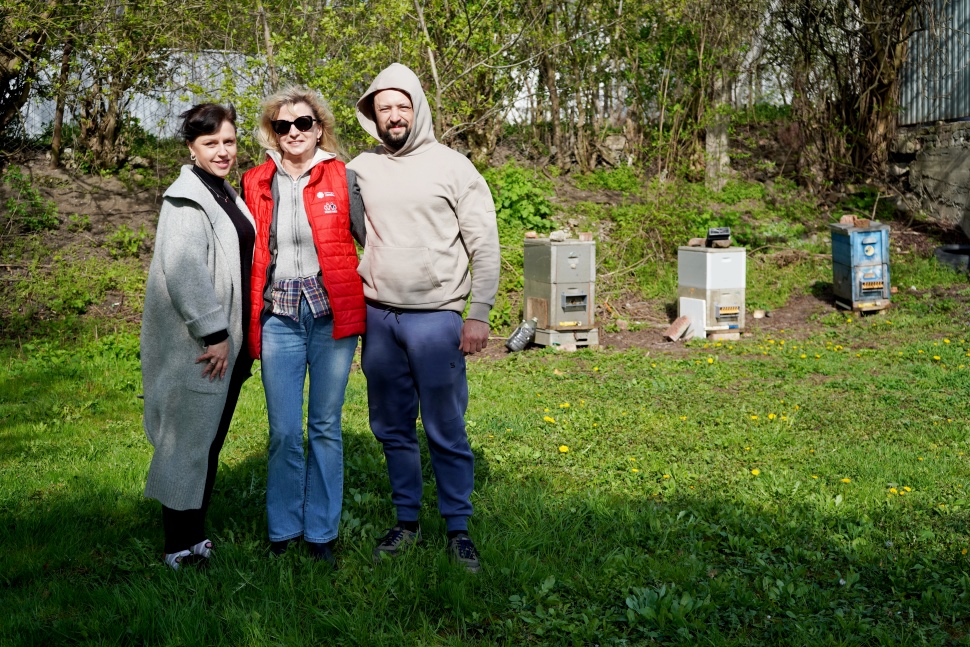
“This is honeycomb – the main building material for bees. In it, bees build their combs, raise their young, and this is where the honey ripens. There are so many different nuances you need to know to get that honey,” say Kateryna and Maksym, participants in the Ukrainian-Polish “Family to Family” project. We begin our visit with a short workshop. We’re learning to make candles – yes, from that same indispensable beeswax. The process is fascinating.
The couple started beekeeping ten years ago in their hometown of Polohy, Zaporizhzhia Regoin. It all began as a hobby that quickly became their passion: they thoroughly studied the process of beekeeping and planned to master new bee products. But the full-scale war radically changed their lives…
…The occupiers entered their city treacherously – shortly after the full-scale invasion began. “Suddenly, there was a lot of enemy military equipment on the streets,” Kateryna recalls. “There was no communication. Later we found out that the occupiers had smashed the windows at our grandmother’s house, which is on the outskirts. What were they looking for there? Grandma sat in the cold house for four days afterward… There was no way to call, so Dad rode his bike from relative to relative, gathering news. Once he came under fire from the occupiers: they were firing deliberately, from tanks. He survived by a miracle, rolling into a ditch by the river. Sometimes, people would just walk through the city to get water – the occupiers would shoot at them as they passed… My child and I tried to go to sleep as soon as it got dark, so we wouldn’t hear or see anything… We’d get a signal in one spot, on a hill, near the water pump. Everyone gathered there to share news: where the bombs had landed, whose relatives had been “taken to the basement.” There we were able to contact our relatives in Chernivtsi. “Katya, what’s going on with you? Come to us quickly,” my uncle said. But leaving was actually very difficult…”
Endless enemy checkpoints, humiliating searches. We couldn’t even move freely around the city. Kateryna recalls how the occupiers turned back a convoy of Mariupol residents – whose cars were marked with the word “children” – for three days straight, refusing to let them pass. The woman still painfully recalls that experience: how they were driving and didn’t know if they would make it through. “Maybe we were lucky that we had a child with us. We had nothing but the bare essentials. When we found ourselves in territory controlled by Ukraine, everyone cried with happiness.”
Today they live in a relative’s house, where they settled immediately after arriving in the city. The house had stood empty for three years; they gradually set up their life there, and adjusting to the new reality was not easy. For a long time, they believed they would be able to return home. But their hometown remains under occupation… Here, in Chernivtsi, they have their social circle and jobs. Kateryna works as a teacher, and Maksym as a taxi driver. Their son started school and is finishing fourth grade this year. The dream of owning their own home remains a top priority for the family. And the bees…
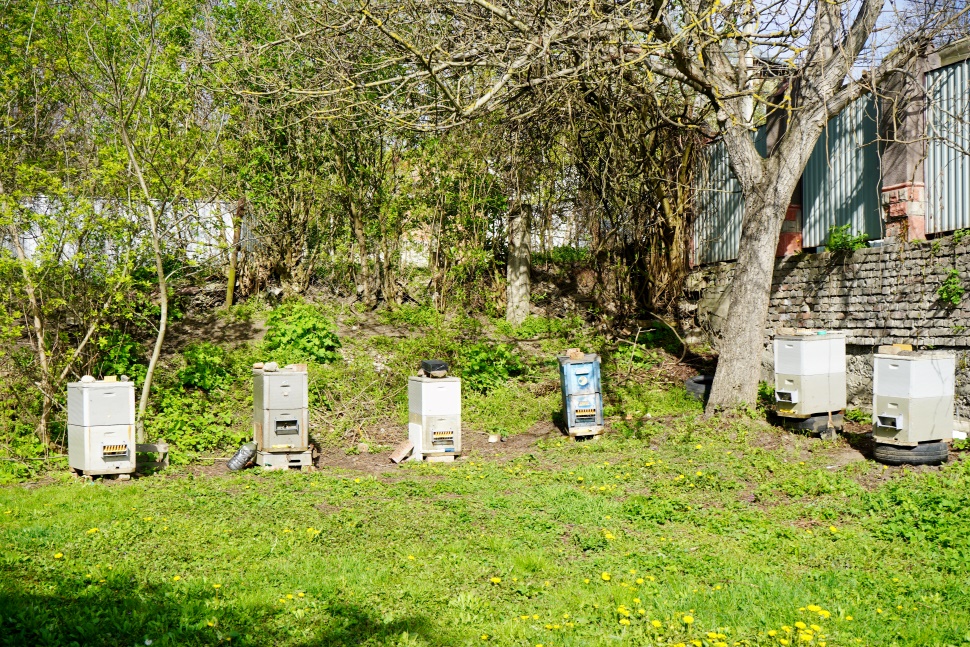
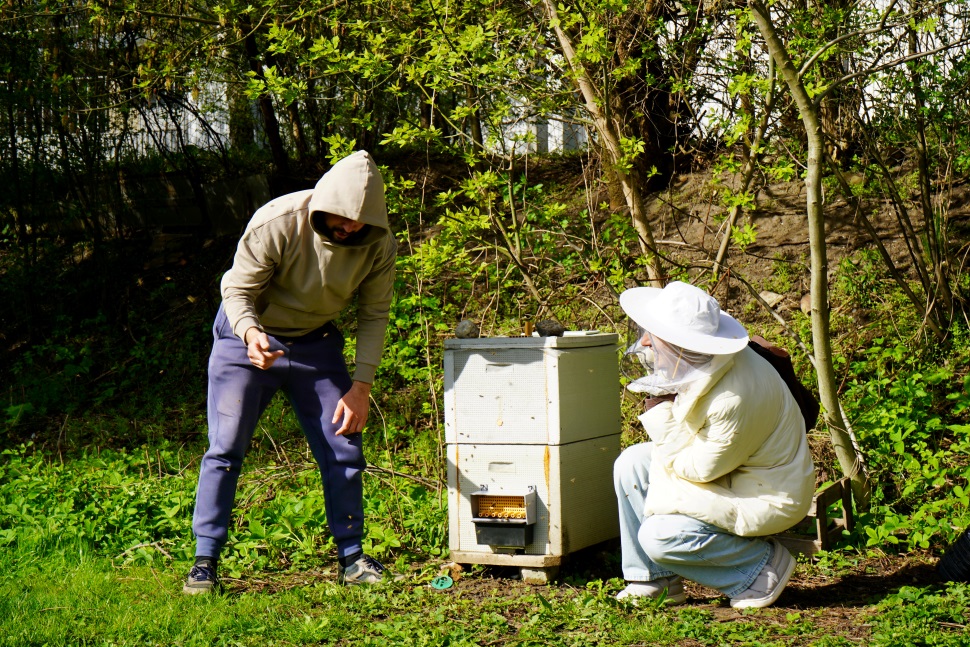
“Everything was left at home – the hives and the honey extractor,” says Maxym. “I missed the bees, so I bought four used wooden hives. Then I made a few more out of Styrofoam. Today we have ten. But beekeeping isn’t just about the hives. You need a lot of things… The announcement about the opportunity to get a grant to develop our own business came at just the right time. We wrote the application, waited, and hoped. When we received the approval – we were overjoyed. Right in the spring, when everything begins…”
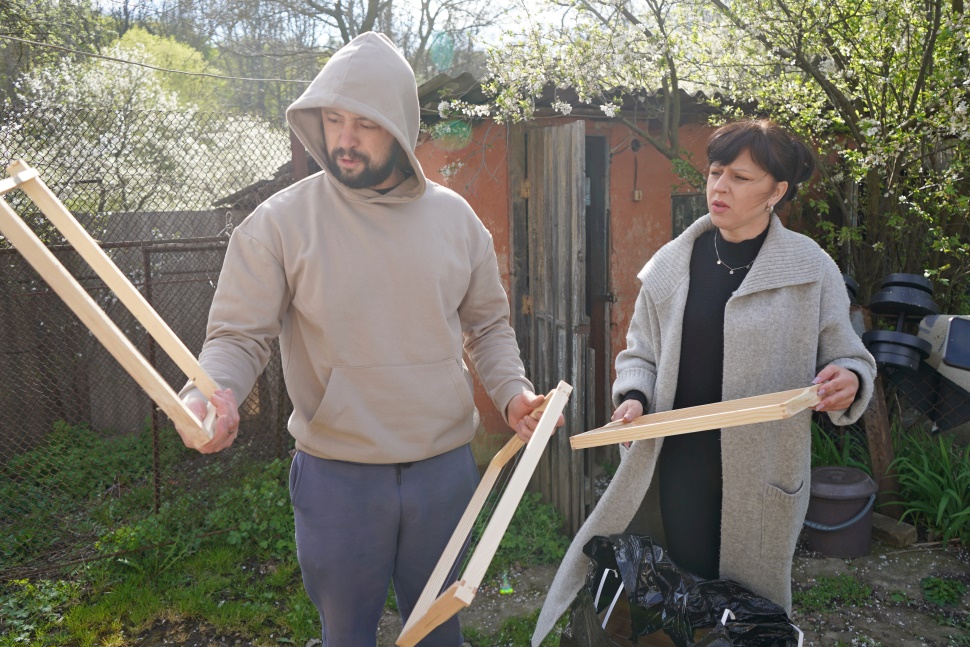
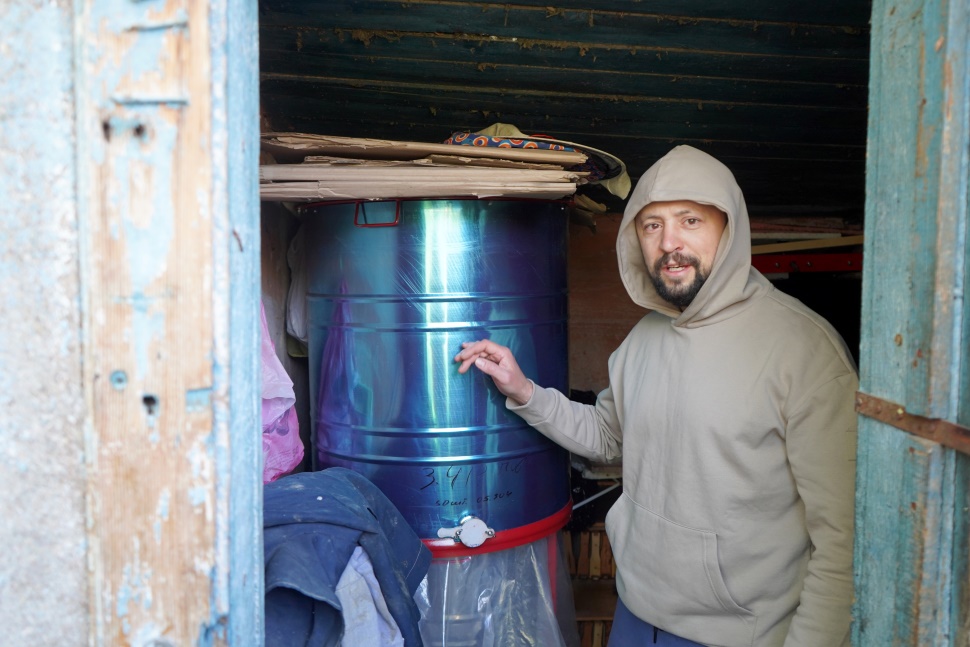
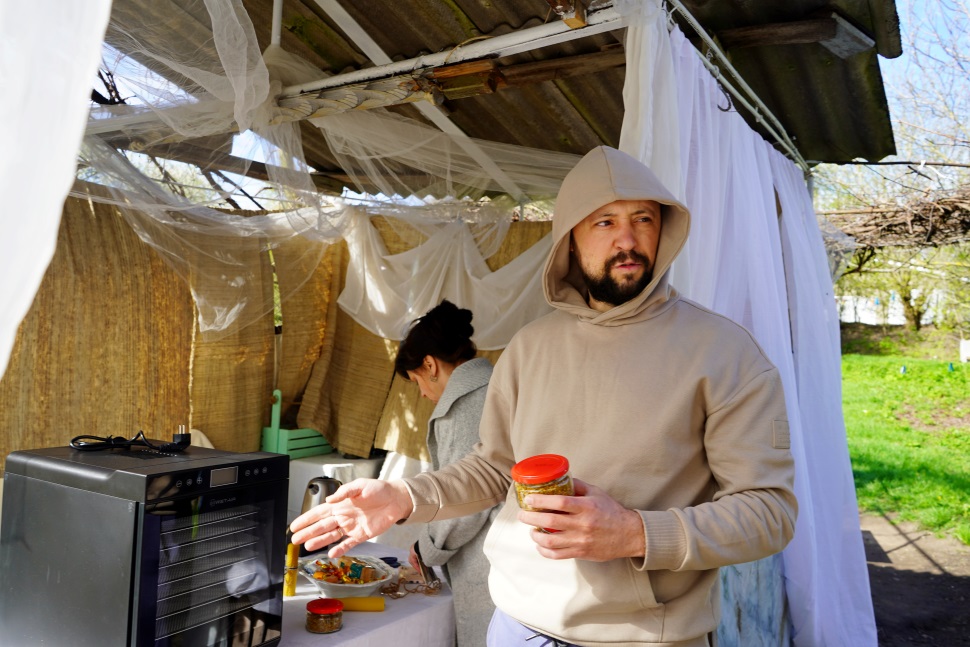
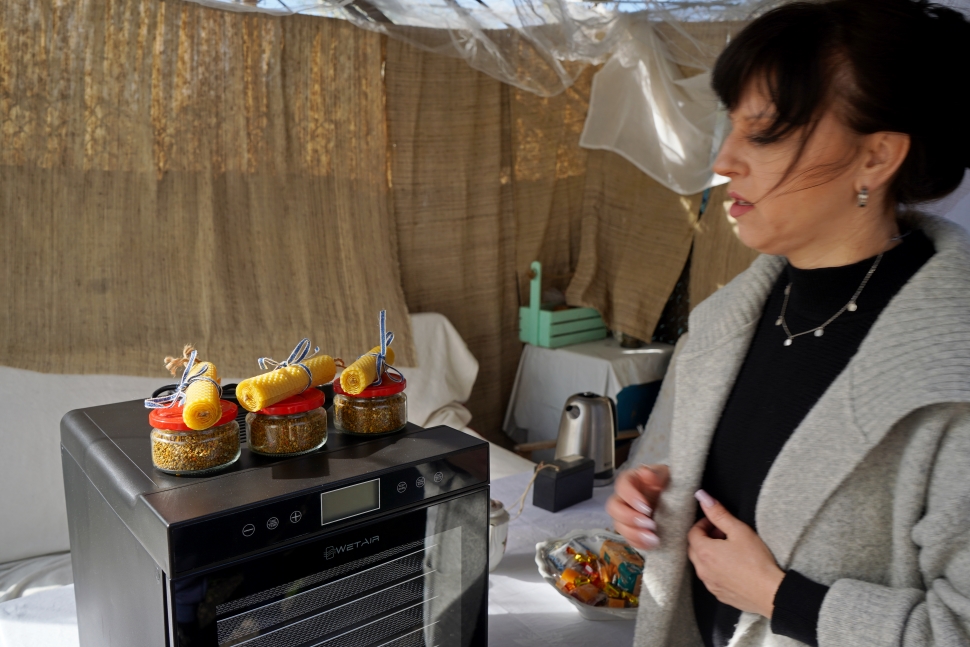
With the grant funds, Kateryna and Maksym purchased new frames for the hives, a solar wax melter, a honey extractor, and a dehydrator for pollen production. “We’re very grateful for this support, because it would have been difficult to do this on our own,” Kateryna smiles. “I’ve been dreaming of producing pollen for a long time. I love this product; it’s incredibly beneficial. The news that our application was selected and we’ll receive a grant is one of the happiest events of recent times. After all, we’ve essentially lost everything… Whether we’ll ever return to our hometown is unknown. That’s why the fact that there are people who support Ukrainians during these difficult times, people who care about others’ suffering, inspires us and gives us hope. Please let them know that our doors are wide open to Polish families. Once the war is over, we’ll invite them over for some honey!”
The “Family to Family” project, implemented by the Caritas-Spes Ukraine Regional Office with financial support from Caritas Polska in the Kharkiv-Zaporizhzhia Diocese and the Lviv Archdiocese, provides assistance to Ukrainians who find themselves in difficult circumstances as a result of the war. The project provides cash assistance and grants to help people start their own businesses.